
Subfloor Moisture Removal
Why Subfloor Moisture Removal is Critical in Mount Kuring Gai
Mount Kuring Gai’s older homes and properties with raised floors are particularly vulnerable to subfloor moisture buildup. Whether from heavy rain, plumbing leaks, or poor ventilation, excess moisture can lead to serious problems if not addressed quickly.
Our subfloor moisture removal service targets the root of the issue, using industrial-grade dehumidifiers and air movers to extract water and reduce humidity levels. This prevents mould growth, wood rot, and structural weakening that can compromise your home’s integrity.
In Mount Kuring Gai, where many properties sit on sloped blocks or have limited airflow beneath the floor, moisture can linger unnoticed. We inspect thoroughly, identify hidden dampness, and ensure your subfloor is dry and safe.
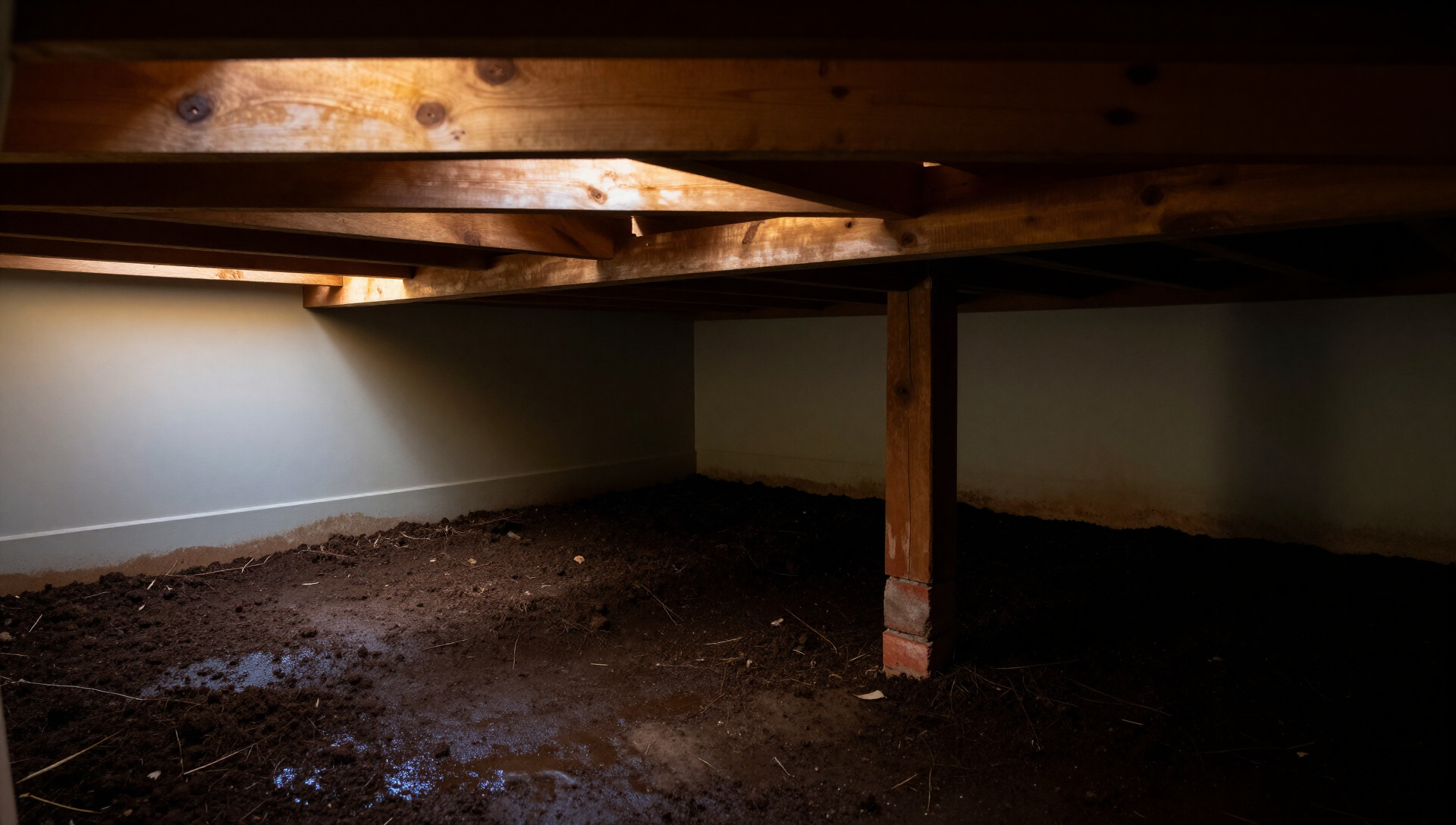
Don’t wait until the problem spreads. Early intervention saves time, money, and stress. Our team is equipped to handle everything from minor dampness to severe water saturation.
Signs You Need Subfloor Moisture Removal
Subfloor moisture often goes unnoticed until it causes visible damage. Watch for these warning signs in your Mount Kuring Gai home:
- Musty or earthy odours coming from beneath the floorboards
- Warped, cupped, or buckling floorboards
- Visible mould growth on skirting boards or under the house
- Increased humidity or condensation in living areas
- Creaking or spongy floors when walking
- Pest activity, such as termites or silverfish, attracted to damp wood
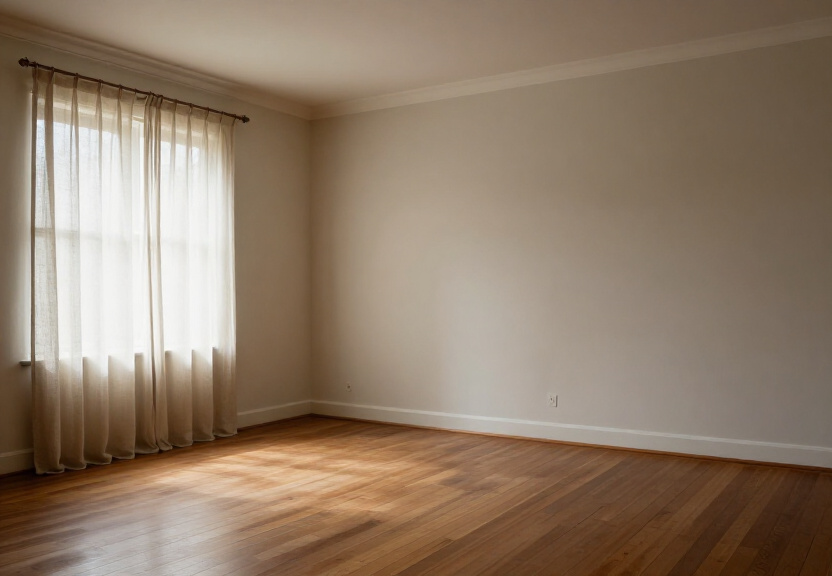
Before and After Subfloor Moisture Removal
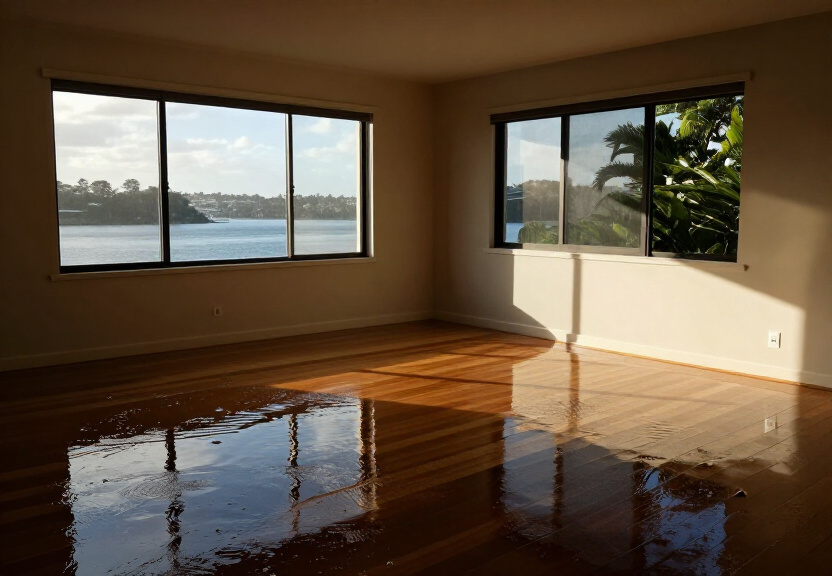
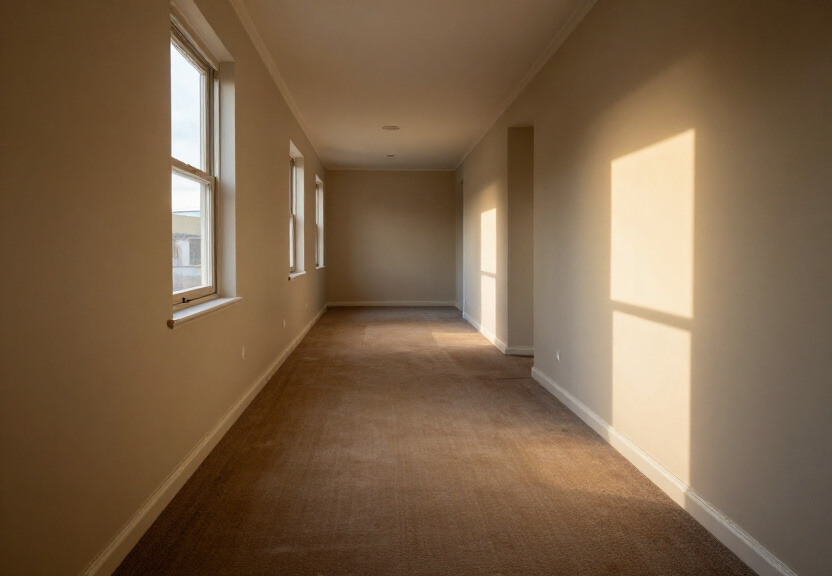
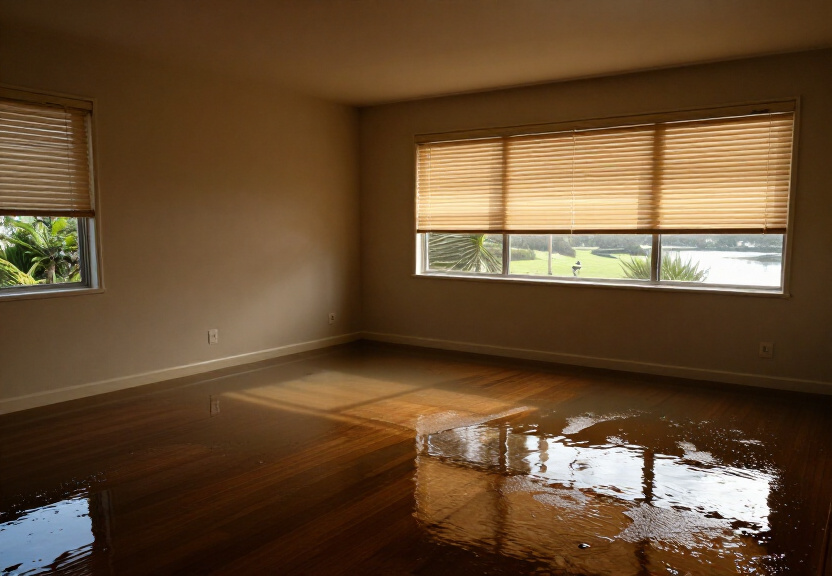
See the difference our professional service makes in Mount Kuring Gai homes. We restore dry, safe conditions to protect your property.
Why Choose Flood Restoration Service Sydney for Subfloor Moisture Removal?
- Local knowledge of Mount Kuring Gai’s unique property types and moisture risks
- Rapid response to prevent further damage and health hazards
- Advanced moisture detection tools to find hidden dampness
- Industrial-grade drying equipment for fast, effective results
- Experienced team trained in subfloor-specific restoration techniques
- Clear, upfront pricing with no hidden fees
Who Needs Subfloor Moisture Removal in Mount Kuring Gai?
For Homeowners
Mount Kuring Gai’s residential properties, especially those with timber floors or limited underfloor ventilation, are at high risk of moisture buildup. Our service helps:
- Prevent structural damage to floor joists and bearers
- Eliminate musty odours that spread through the home
- Stop mould growth before it affects indoor air quality
For Businesses
Commercial properties in Mount Kuring Gai, such as older office buildings or retail spaces, can also suffer from subfloor moisture. We provide:
- Minimal disruption to business operations during drying
- Protection for inventory and equipment stored on ground floors
- Compliance with workplace health and safety standards
Benefits of Professional Subfloor Moisture Removal
Prevents Structural Damage
Excess moisture weakens timber and can lead to costly repairs. Our service removes water quickly to preserve the integrity of your home’s foundation.
Stops Mould Growth
Mould thrives in damp, dark spaces like subfloors. By drying the area thoroughly, we eliminate the conditions mould needs to grow and spread.
Improves Indoor Air Quality
Moisture and mould release spores and odours that circulate through your home. Removing the source ensures cleaner, healthier air for your family.
Saves Money Long-Term
Addressing subfloor moisture early avoids expensive repairs to flooring, walls, and structural components. It’s a proactive investment in your property.
Our Commitment to You
We stand by the quality of our work and the effectiveness of our subfloor moisture removal process. Our goal is to leave your property dry, safe, and protected.
Serving Mount Kuring Gai and Nearby Areas
We provide subfloor moisture removal services across Mount Kuring Gai and surrounding suburbs, including Turramurra, Wahroonga, and Hornsby. Our local team understands the unique challenges of the area’s properties and climate.
Frequently Asked Questions About Subfloor Moisture Removal
Common signs include musty odours, warped floorboards, visible mould, or increased humidity indoors. If you notice any of these, it’s best to have a professional inspection.
The duration depends on the severity of the moisture and the size of the affected area. Most residential jobs in Mount Kuring Gai are completed within 1-3 days.
DIY methods like fans or household dehumidifiers are rarely effective for subfloor moisture. Professional equipment and expertise are needed to fully dry the area and prevent recurrence.
Our team takes care to minimise disruption. In most cases, we can access the subfloor without removing floorboards, and any necessary adjustments are handled with precision.
Common causes include poor ventilation, plumbing leaks, rising damp, or water ingress from heavy rain or flooding. Older homes with limited airflow are particularly susceptible.
Improving underfloor ventilation, fixing leaks promptly, and ensuring proper drainage around your property can help. We also offer moisture barriers and preventative treatments.
What Our Mount Kuring Gai Clients Say
"We noticed a strong musty smell in our home and assumed it was just old carpet. The team at Flood Restoration Service Sydney identified severe subfloor moisture and dried it out completely. The odour is gone, and our floors feel solid again."
"After heavy rain, we found water pooling under our house. They arrived the same day, set up their equipment, and had the area dry within 48 hours. Professional and efficient service."
"Our older home in Mount Kuring Gai had warped floorboards, and we were worried about structural damage. The team not only dried the subfloor but also advised us on preventing future issues. Highly recommend."
Related Services in Mount Kuring Gai
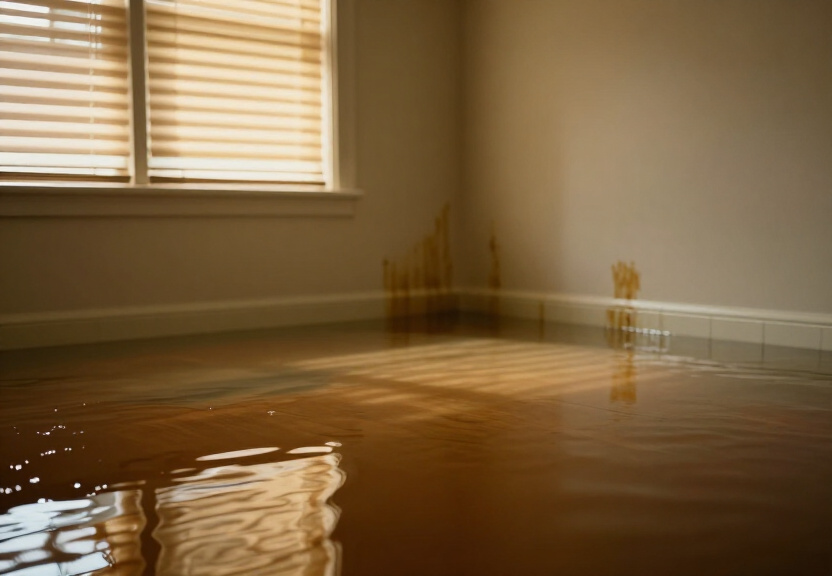
Water Damage Restoration
Water damage restoration brings the property back to a safe, habitable state by assessing affected materials and managing the full drying and repair plan. From water-impacted finishes to documentation needs, the service supports a complete recovery approach.
Learn More →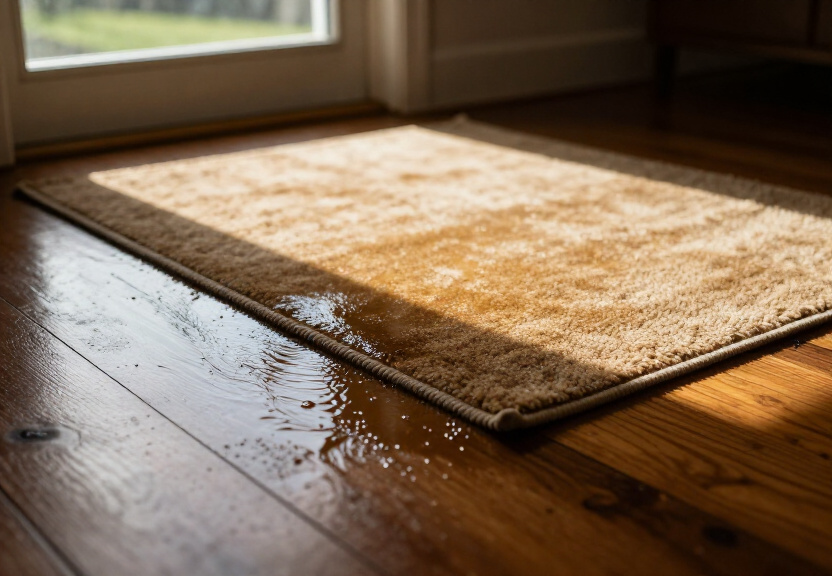
Wet Carpet Drying
Wet carpet drying repositions affected flooring, extracts surface water, and dries fibres and backing without unnecessary reinstallation. Controlled airflow and dehumidification help minimise shrinkage, staining, and persistent dampness that can lead to odours.
Learn More →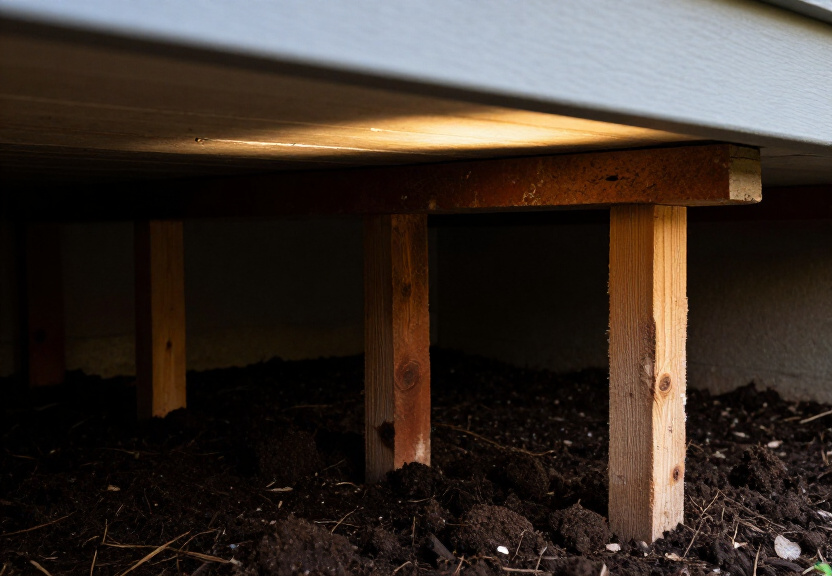
Subfloor Moisture Removal
Subfloor moisture removal tackles dampness beneath flooring where water can pool or wick into timber and other materials. Controlled extraction and drying help protect structural elements and minimise ongoing odour or mould problems.
Learn More →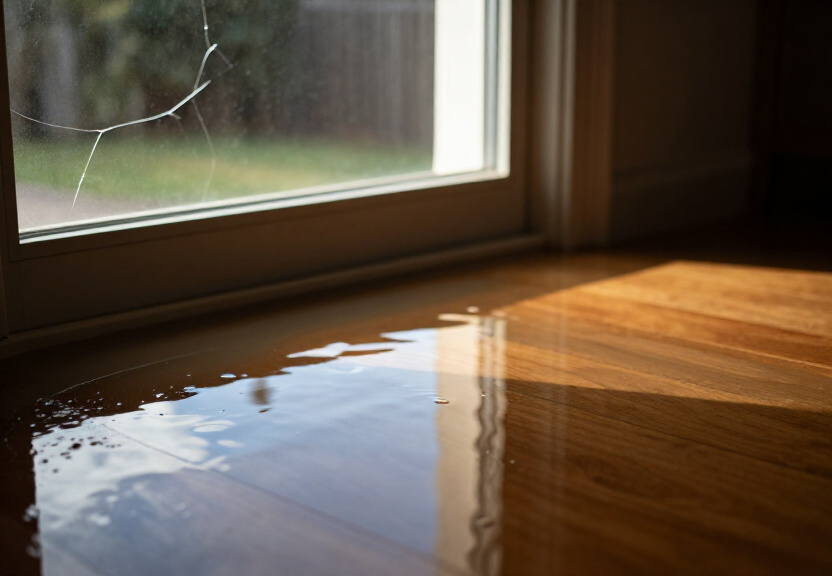
Water Extraction And Removal
Water extraction and removal quickly removes floodwater using appropriate pumps and extraction equipment. Removing bulk water early reduces damage, limits contamination spread, and accelerates the subsequent drying stage for faster recovery.
Learn More →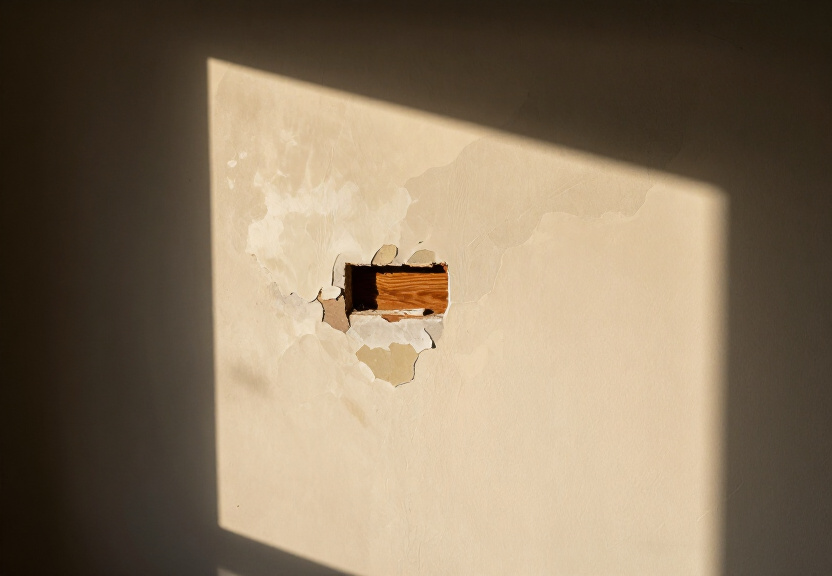
Structural Drying
Structural drying restores building materials to safe moisture levels using calibrated air movers, dehumidification, and continuous monitoring. This reduces risks like swelling, paint failure, and hidden microbial growth inside walls, floors, and roof spaces.
Learn More →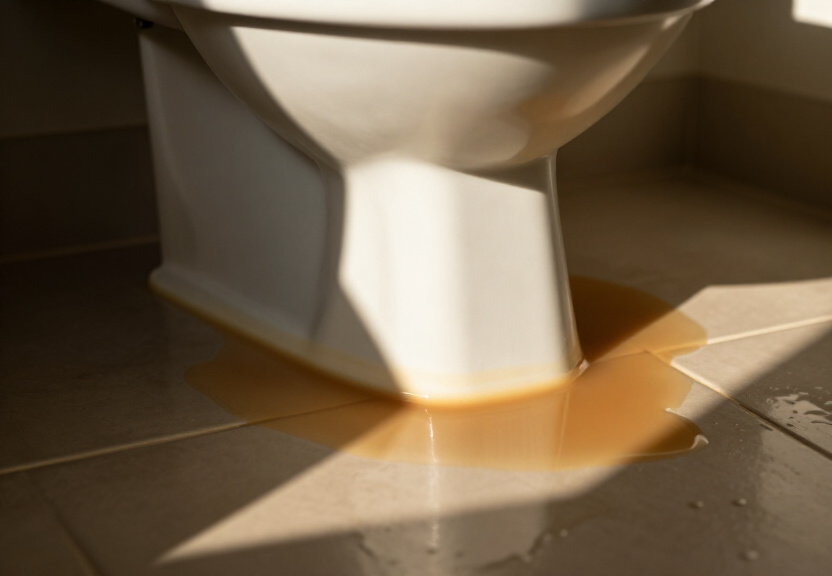
Sewage Cleanup
For contaminated water incidents, sewage cleanup includes removal of soiled residues and thorough disinfection of impacted surfaces. The workflow focuses on health and hygiene, reducing contamination risk while preparing areas for controlled drying and restoration.
Learn More →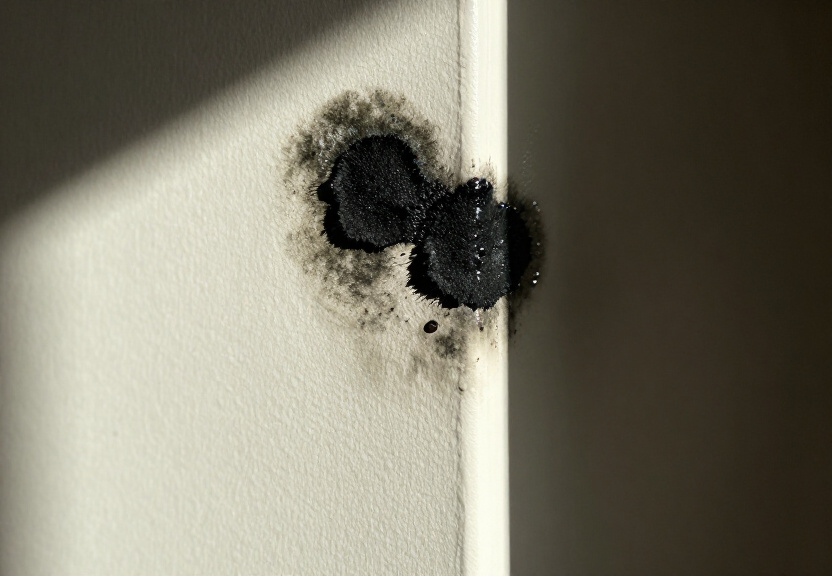
Mould Removal
When mould colonies have formed, mould removal isolates the affected areas and removes contaminated materials safely. After extraction, the space is sanitised so surfaces are ready for drying and rebuild, restoring a cleaner indoor environment.
Learn More →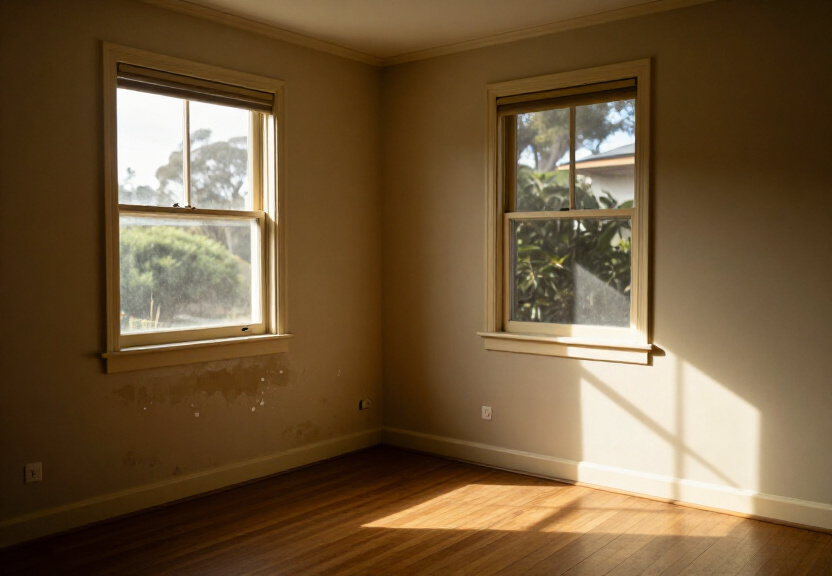
Odour Removal
Persistent flood odours from contaminated finishes and trapped moisture are addressed with targeted odour removal. We use odour control methods designed to neutralise lingering compounds, helping eliminate musty smells rather than simply masking them.
Learn More →
Mould Prevention Treatment
After floodwater recedes, apply mould prevention treatment to affected ceilings, walls, and concealed voids where spores can take hold. The process targets damp substrates and helps reduce the chance of recurring growth while restoration works proceed.
Learn More →